Higher Fuel Prices, Higher Risk: Why Fuel Theft Is on the Rise
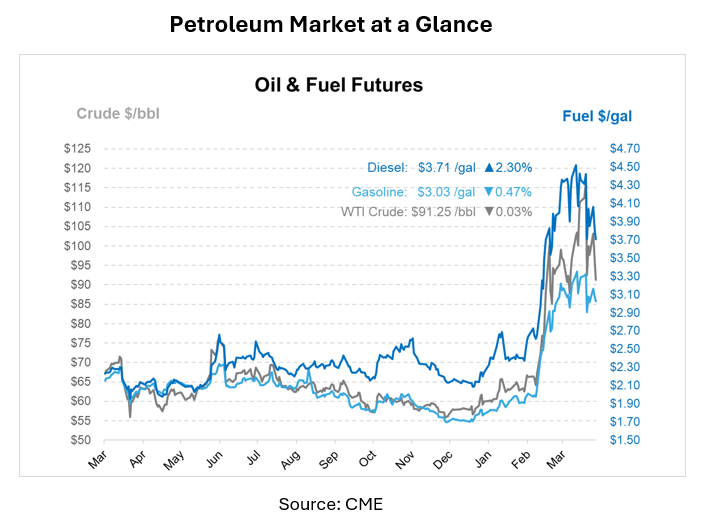
With fuel prices returning to near record levels, the threat of loss has been mounting as well. The recent escalation between the U.S. and Iran, and the resulting 40%+ increase in fuel prices, creates a situation that isn’t just problematic for budgets, but also for fuel theft.
In the U.S., roughly 25% of fuel retailers reported higher theft during the 2022 price surge. According to WEX, fleets lose 5–10% of fuel spend to theft or misallocation, with total losses exceeding $1.2 billion annually. A similar trend is evident in the UK, where reported fuel theft increased by approximately 27% during recent price spikes. Within the trucking sector, incidents rose 90% in 2022 and another 77% in 2023, with the National Association of Fleet Administrators estimating that theft can account for up to 6% of total fuel costs.
For fleets, this is not just a security issue; it is a visibility and control challenge. Common forms of fuel fraud include siphoning, the physical removal of fuel from a truck’s tank; skimming, where payment information is captured and used for unauthorized purchases; and internal fraud, such as manipulated logs or misuse for personal vehicles. These issues tend to surface when controls are limited, transaction data is fragmented, and exceptions go unnoticed.
Fleet Cards: The Front Line of Fraud Prevention
For most fleets, retail and on-road fueling represent the highest volume of transactions and the greatest fraud exposure. That’s why fleet card controls should be the first line of defense when fuel prices rise. Modern fleet card programs allow operators to move from reactive review to proactive prevention by putting guardrails around how, when, and where fuel can be purchased.
Key fraud‑mitigation controls include:
- Transaction Limits: Limits by gallons, dollar amount, time of day, product type, and geography reduce the risk of excessive or unauthorized purchases before they happen.
- Driver Authentication: PIN enforcement, driver or vehicle ID requirements, and unit-level card assignments ensure transactions can be tied back to a specific driver or asset, not just a card number.
- Geographic & Location Controls: Restricting transactions to approved fueling locations and routes helps identify suspicious activity quickly, such as fueling far outside normal operating areas.
- Exception Reporting & Alerts: Real‑time alerts for unusual behavior (multiple swipes, MPG mismatches, rapid repeat transactions, or location anomalies) allow fleets to act before losses add up.
- Consolidated Visibility: Bringing all fleet fuel transactions into a single reporting view enables consistent review across the entire operation, rather than chasing issues after the fact.
When these controls are properly configured and regularly reviewed, fleet cards become a powerful fraud‑prevention tool.
Don’t Overlook Backyard Fueling
Fleet cards handle the on‑road fueling risk, but there can also be on‑site or “backyard” fueling that introduces its own vulnerabilities if not managed with the same level of oversight. Uncontrolled bulk tanks, shared access, or manual tracking can create blind spots, especially during periods of high fuel prices.
Fuel management systems help close this gap by:
- Requiring driver or vehicle authentication at the tank
- Capturing precise dispense data by asset
- Linking on‑site fueling activity with fleet reporting
- Flagging anomalies such as after‑hours fueling or unusual volumes
When integrated with a broader fuel management strategy, on‑site fuel management systems ensure backyard fueling is held to the same accountability standards as retail purchases.
Fraud Is a Design Problem, Not an Inevitable Cost
Fleets that take a proactive approach are better positioned to protect their spending, reduce risk, and maintain confidence in every gallon purchased. Mansfield offers total insight into detailed driver and vehicle-level trends to help you determine how your drivers should fuel. Plus, all fueling transaction data is consolidated into one secure platform to centralize control and payment. Contact a Mansfield fleet card specialist to learn more about our fraud and risk prevention solutions and fleet card services.
This article is part of Daily Market News & Insights
Tagged: backyard fueling, fleet card controls, fleet fuel management, fleet fuel theft, fraud risk management, fuel cost management, fuel expense control, fuel fraud, fuel loss prevention, Fuel Management System, fuel price surge, fuel security, fuel spend visibility, iran war, rising fuel prices, trucking fuel theft


MARKET CONDITION REPORT - DISCLAIMER
The information contained herein is derived from sources believed to be reliable; however, this information is not guaranteed as to its accuracy or completeness. Furthermore, no responsibility is assumed for use of this material and no express or implied warranties or guarantees are made. This material and any view or comment expressed herein are provided for informational purposes only and should not be construed in any way as an inducement or recommendation to buy or sell products, commodity futures or options contracts.