

What’s That: Exception Reporting
For fleet managers, every fuel transaction tells a story. Most transactions follow expected patterns, but occasionally something doesn’t look right. A diesel purchase on a gasoline-only vehicle. Fuel purchased hundreds of miles from a vehicle’s assigned route. A card used late at night when the vehicle should not be in use.
These are the types of activities that exception reporting is designed to identify.
Exception reporting is a fleet management tool that flags transactions that fall outside predetermined operating rules. Instead of manually reviewing thousands of fuel purchases, fleet managers can focus on the small percentage of transactions that require attention. Exception reporting helps monitor transactions in real time and identify purchases that occur outside established fleet parameters.
How Exception Reporting Works
Exception reporting begins with setting operational rules around fuel purchases. These rules are based on how vehicles are expected to operate and can include:
- Product Limits
- Purchase Frequency Limits
- Tank Capacity
- Time-of-Day Restrictions
When a transaction falls outside one of these parameters, the system generates an exception alert for review. For example, a fleet manager may set a gasoline-powered sedan to flag any diesel fuel purchases. If a diesel transaction is made, the system identifies it for further investigation. Similarly, a company may establish fueling hours between 5 a.m. and 8 p.m. A transaction occurring at midnight would trigger an exception notification.
Why Speed Matters
Traditional fuel audits often identify issues weeks after a transaction occurs. By that point, multiple unauthorized purchases may have already taken place. Exception reporting
enables fleet managers to investigate unusual transactions promptly, reducing financial exposure and improving accountability.
Identifying Fuel Fraud Before It Becomes Expensive
For a fleet purchasing 500,000 gallons annually, unauthorized purchases representing just 1% of the fuel volume can cost thousands of dollars in unnecessary fuel spend each year. Exception reporting helps identify these transactions before they become recurring costs.
Exception reporting helps uncover several common fraud scenarios:
- Unauthorized Fueling – Transactions that exceed a vehicle’s tank capacity often indicate potential misuse. For example, a truck with a 100-gallon tank purchasing 180 gallons in a single transaction would generate an exception.
- Personal Vehicle Fuel Purchases – Fuel purchases occurring during weekends, holidays, or outside designated work hours may indicate personal use of company fuel cards.
- Non-Fuel Purchases – Fleet cards are often restricted to fuel-related products. Purchases involving unrelated merchandise can trigger alerts for review.
Improving Compliance Across Large Fleets
As fleets grow, maintaining consistent policy enforcement becomes increasingly difficult. A fleet of 50 vehicles may be able to manually review transactions. A fleet of 500 or 5,000 vehicles requires automation. Exception reporting creates consistency by applying the same standards across every vehicle, driver, and location. Rather than relying on random audits, fleets can continuously monitor compliance and identify trends that require attention.
This can be particularly valuable for organizations with:
- Regional Operations
- Multiple Terminals or Branches
- Third-party Contractors
- Seasonal Drivers
- High Transaction Volumes
Supporting Driver Accountability
Exception reporting is not solely about detecting fraud. Many alerts are caused by simple mistakes. Drivers may select the wrong fuel grade, enter an incorrect odometer reading, or accidentally use the wrong fueling location. By identifying these issues quickly, fleet managers can provide coaching and training before small errors become recurring problems. Over time, exception reporting helps establish stronger fueling habits and greater accountability throughout the organization.
Turning Data into Actionable Insights
One of the biggest advantages of exception reporting is its ability to reveal larger operational trends.
Recurring exceptions may indicate:
- Fuel Theft Risks
- Driver Training Needs
- Inaccurate Vehicle Assignments
- Weak Internal Controls
Instead of treating each exception as an isolated event, fleet managers can use reporting data to identify root causes and improve overall fleet performance. For example, repeated after-hours fueling alerts at a specific location may signal a need to revise fueling procedures or investigate potential card misuse.
Why Exception Reporting Matters During High Fuel Prices
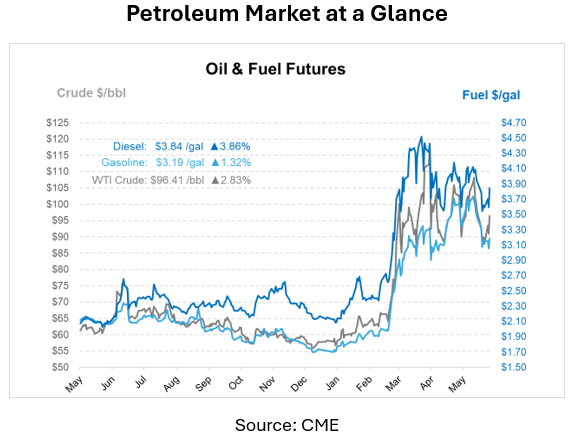
When fuel prices rise, every gallon becomes more important. Even minor instances of fuel misuse can have a greater financial impact as diesel and gasoline prices rise. Exception reporting helps fleets maintain tighter control over fuel spending during periods of elevated market prices. For companies operating large fleets, reducing unnecessary fuel purchases by just a small percentage can generate meaningful annual savings.
What Fleet Managers Should Watch For
The most effective exception reporting programs focus on a handful of high-value alerts:
- Incorrect Fuel Type Purchases
- Excessive Gallon Purchases
- Multiple Transactions Within Short Timeframes
- Fueling Outside Approved Geographic Areas
- After-Hours Purchases
- Transactions That Exceed Spending Limits
- Non-Fuel Purchases
By prioritizing these exceptions, fleet managers can quickly identify the transactions most likely to require investigation.
The Bottom Line
Exception reporting gives fleet managers visibility into the transactions that matter most. Rather than spending hours reviewing every fuel purchase, teams can focus on unusual activity that may indicate fraud, policy violations, operational inefficiencies, or simple mistakes.
As fuel costs remain a major operating expense for transportation, utility, construction, and service fleets, exception reporting serves as an important layer of financial control. The ability to identify unusual activity in real time helps organizations protect fuel budgets, improve compliance, and make more informed operational decisions.
Still looking for a fleet Card Program?
Mansfield is a leader in the fleet card industry, serving diverse commercial and government clients. Mansfield offers total insight into detailed driver and vehicle-level trends to help you determine how your drivers should fuel. Plus, all fueling transaction data is consolidated into one secure platform to centralize control and payment. More control and lower overall fuel spending.
Simplify fuel expenses with fleet cards and drive efficiency in your business operations. Contact us today!
This article is part of What Is It Wednesday
Tagged: commercial fleet management, driver accountability, fleet analytics, fleet card, fleet card program, Fleet Compliance, fleet exception reporting, fleet fuel management, Fleet Management, fleet operations, fuel card fraud, fuel card monitoring, fuel exception reporting, fuel fraud prevention, fuel spend control, fuel theft detection, fuel transaction alerts


MARKET CONDITION REPORT - DISCLAIMER
The information contained herein is derived from sources believed to be reliable; however, this information is not guaranteed as to its accuracy or completeness. Furthermore, no responsibility is assumed for use of this material and no express or implied warranties or guarantees are made. This material and any view or comment expressed herein are provided for informational purposes only and should not be construed in any way as an inducement or recommendation to buy or sell products, commodity futures or options contracts.