

Ceasefire Uncertainty Pushes Oil Prices Up
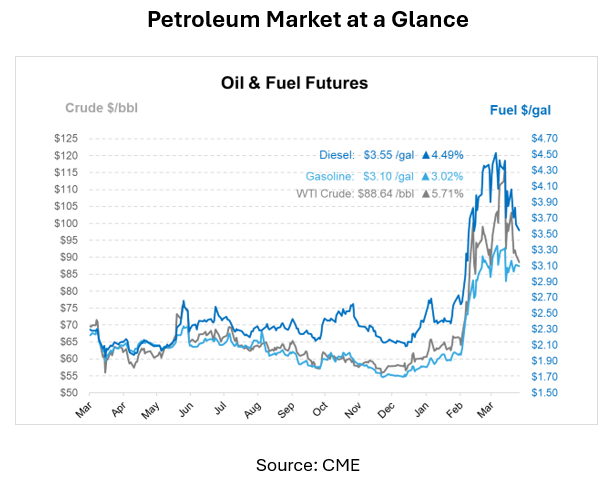
Energy markets are starting the week on edge, and it is showing up quickly in prices. Early this morning, U.S. benchmark oil prices surged, with WTI futures jumping more than $4.50 per barrel, as geopolitical tensions between the United States and Iran flared over the weekend.
At the center of the reaction is an escalation in the Gulf of Oman. On Sunday, the U.S. Navy seized an Iranian cargo ship that attempted to breach the U.S. blockade of Iranian ports. That incident has cast fresh doubt over an already fragile ceasefire between the two countries.
While U.S. officials had hoped to restart negotiations ahead of the ceasefire deadline, Iran made it clear over the weekend that there are “no plans to attend talks.” Iranian Foreign Ministry spokesperson Esmaeil Baghaei accused Washington of not being “serious” about diplomacy and rejected what Iran described as unrealistic demands.
President Trump said special envoy Steve Witkoff would travel to Islamabad for talks, but Iranian officials pushed back, saying the ongoing U.S. blockade undermines the possibility of meaningful negotiations. Pakistan, acting as a mediator, is still preparing for talks that may ultimately not take place.
Confusion in the Strait of Hormuz Raises Supply Fears
Iran stated last Friday that the Strait of Hormuz was completely open to commercial traffic, a claim that initially helped push oil prices sharply lower. But that optimism didn’t last long. By Saturday, Iran reportedly told ships the strait was once again closed, and shipping data now shows traffic at a near standstill.
As of Monday, only three vessels crossed the strait in a 12-hour period, a sharp drop from more than 20 crossings seen over the weekend. The inconsistency has left traders struggling to assess whether supply disruptions are temporary or becoming more entrenched.
Oil markets responded quickly. Brent crude jumped nearly 5%, while WTI rose almost 6%, reversing much of Friday’s steep selloff. Analysts note a growing gap between financial markets, which are reacting to headlines and hopes of negotiations, and the physical oil market, where disruptions remain very real.
An estimated 10–11 million barrels per day of crude oil remain shut in, and longer shipping routes, higher freight rates, and elevated insurance costs are adding to pressure on global supply chains.
While some analysts believe a peace deal could rapidly ease the current risk premium, others warn there is still meaningful upside risk if Hormuz flows remain constrained or if regional infrastructure suffers lasting damage.
Policy Moves Add Another Layer
Amid rising prices, the U.S. government announced it released 26 million barrels of crude from the Strategic Petroleum Reserve as part of an exchange program, with the oil required to be returned by 2028.
At the same time, the U.S. Treasury extended a license allowing purchases of certain Russian crude and petroleum products through May 16, a move widely seen as an effort to ease global supply tightness and manage price volatility.
Behind the scenes, market positioning is also shifting. Managed money trimmed overall crude oil net length, though WTI positioning grew more bullish while Brent saw reduced long exposure. Refined products like gasoline and heating oil also saw declines in net length, suggesting caution as traders reassess demand and supply risks.
For now, energy markets remain highly sensitive to headlines. Any sign of renewed talks could ease prices quickly, but continued disruption in the Strait of Hormuz or further military escalation would likely push them higher again.
This article is part of Daily Market News & Insights


MARKET CONDITION REPORT - DISCLAIMER
The information contained herein is derived from sources believed to be reliable; however, this information is not guaranteed as to its accuracy or completeness. Furthermore, no responsibility is assumed for use of this material and no express or implied warranties or guarantees are made. This material and any view or comment expressed herein are provided for informational purposes only and should not be construed in any way as an inducement or recommendation to buy or sell products, commodity futures or options contracts.