
4 Benefits of Locking in Fuel Costs with a Fixed Price Program
Fuel is one of the largest expenses for companies operating heavy equipment or large truck fleets, and fixed-price programs can make a meaningful difference. When fuel prices jump 3, 5, or even 10 cents in a single day, it becomes difficult to plan, buy at the best cost, or protect margins. A fixed price strategy helps remove that uncertainty by stabilizing costs, strengthening budgets, and protecting profitability when passing price increases to customers isn’t always possible.
Concrete mixer trucks, for example, can consume fuel quickly, typically 4 to 4.5 gallons per hour. A 56-gallon to 75-gallon tank can usually support a full shift, but efficiency varies. An empty truck averages about 3.3 miles per gallon, while a loaded truck drops to around 2.8 miles per gallon. Fuel usage also goes beyond the trucks themselves. Hot water boilers and building heat systems rely on fuel as well, pushing overall consumption even higher and making it a major operational expense.
However, companies can take steps to handle fuel cost challenges. One effective method is locking in fixed prices for fuel purchases. This way, companies not only avoid price hikes but also improve operational efficiency and financial stability. By keeping fuel costs steady, businesses can create a reliable financial plan, making it easier to plan and allocate resources accurately. With fuel costs under control, it is easier to focus on other parts of operations without the surprise of sudden price increases.
Fixed Fuel Price Benefits
- Predictable Budgeting
Fixed-price contracts provide stability by locking in fuel prices for a specified period. For instance, if a company commits to purchasing one million gallons at $3.80 per gallon, it will buy one million gallons during the timeframe specified in the contract and pay $3.80, whether the market goes up or down.
This predictability allows companies to forecast expenses more accurately and manage budgets effectively, ensuring that financial planning remains on track.
- Cost Savings
Fixed-price contracts often offer fuel at a lower rate compared to spot purchasing. By negotiating and securing a fixed price, companies can take advantage of bulk buying and longer-term agreements, potentially leading to significant cost savings. This is particularly beneficial in industries where fuel constitutes a substantial portion of operational costs.
- Enhanced Financial Stability
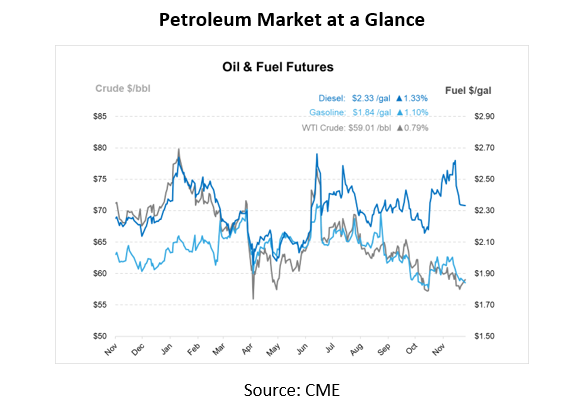
Fluctuating fuel prices can create financial uncertainty, impacting both short-term cash flow and long-term financial health. Unpredictable forces, such as weather, pipeline failures, and refinery shutdowns, among other factors, can often lead to significant cost increases.
Fixed-price contracts hedge against price volatility, offering a stable financial environment that supports better financial management. They are like a price guarantee, protecting your company from sudden jumps in fuel costs.
- Improved Operational Efficiency
Knowing fuel costs in advance allows companies to plan their financial resources more effectively. This foresight enables more accurate budgeting, better cash flow management, and strategic investment decisions. As a result, companies can focus on optimizing their operations, reducing financial uncertainty, and increasing overall productivity.
Plan for the Unexpected
Fuel price volatility is a fact of life in the energy industry. With Mansfield Fuel Price Risk Management services, you can plan for the unexpected and mitigate the impact of these events on your bottom line. Protect your business against fuel price fluctuations and ensure cost stability, even in the face of unforeseen circumstances.
Our Price Risk Management experts will analyze your buying history and organizational goals to give you an analysis of your current fuel spending with a forecasted outlook and recommendations. Contact us today!
This article is part of Daily Market News & Insights


MARKET CONDITION REPORT - DISCLAIMER
The information contained herein is derived from sources believed to be reliable; however, this information is not guaranteed as to its accuracy or completeness. Furthermore, no responsibility is assumed for use of this material and no express or implied warranties or guarantees are made. This material and any view or comment expressed herein are provided for informational purposes only and should not be construed in any way as an inducement or recommendation to buy or sell products, commodity futures or options contracts.