Tired of DEF Hassles? Centralization Might Be Your Simplest Win
When every location handles DEF differently, operations can get complicated fast. Different containers, different processes, different prices… It all adds up.
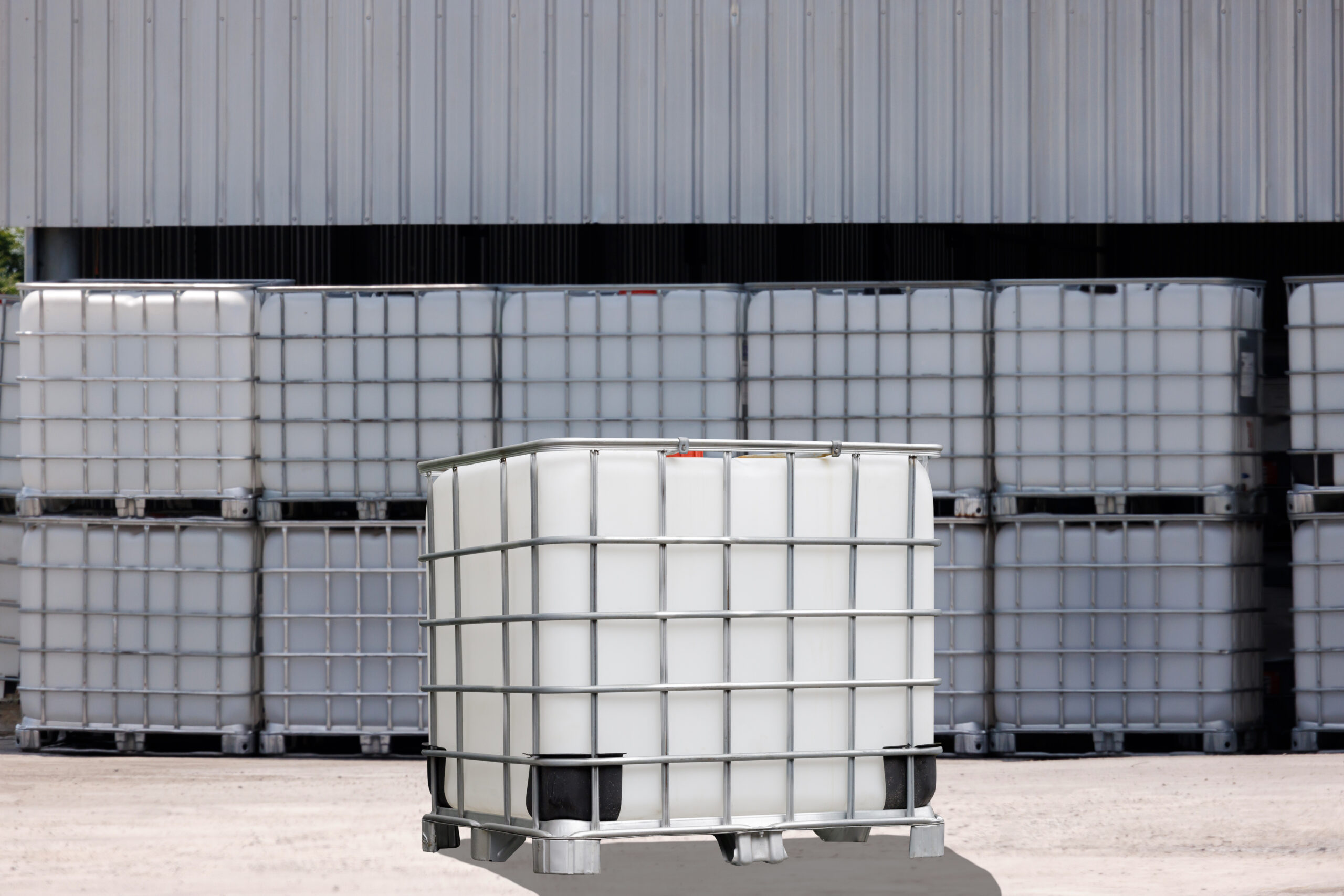
Think about the locations you manage. Does one store DEF in a drum tucked inside a maintenance bay? Does another use a tote outside near the fuel island? Do some sites rely on outdated dispensing equipment or manual processes?
When every site creates its own system, operations become harder than they need to be. Drivers take longer routes to fill up. Maintenance teams deal with mismatched equipment. Managers struggle to track usage. And procurement loses visibility into what’s being spent and where.
These little inconsistencies create big ripple effects. That’s usually when teams start asking the natural question, ” Why are we managing DEF this way?”
One Standard Process
Centralizing DEF management creates a single, consistent way of doing things across your entire operation. Instead of each site improvising its own setup, every location gets the right-sized storage, the right dispensing method, and the right monitoring technology — all working the same way.
Imagine drivers knowing exactly where DEF is every time they need it. Maintenance working with uniform equipment instead of a patchwork of solutions. Inventory updates happening automatically instead of relying on manual checks. And operations flowing smoothly because every site speaks the same DEF “language.”
That’s what standardization does. It removes the guesswork, reduces the chaos, and brings order to something that used to feel unpredictable.
Cost Savings
This is usually the part people care about the most — and rightfully so.
Fleets that buy in bulk and store DEF on-site are usually in the best position to save. DEF is delivered directly to your yard in transport trucks, typically carrying about 5,200 gallons per load. It’s then stored in insulated tanks equipped with proper dispensing systems to ensure safe and efficient use. A correct setup can save up to $1 per gallon compared to jug or retail bulk pricing.
When DEF is centralized, you stop paying for scattered equipment, inconsistent pricing, and last-minute emergency refills. You gain visibility into total volume. You reduce shrinkage and misuse because equipment is controlled and monitored. You avoid the inefficiencies that come from managing multiple vendors, systems, and processes.
In other words, you’re not just saving money; you’re saving time, labor, and operational bandwidth.
Choosing a Supplier Focused on Your Needs
Not all DEF suppliers are equal. With an extensive DEF supply network, Mansfield ensures supply allocations at every primary supply point in North America. Mansfield also offers turnkey packaging solutions that can include customized private-label branding.
With a centralized command-and-control logistics model, Mansfield supports 6,000+ customer locations, delivers over 72 million gallons annually, and maintains 85+ supply points across North America. Contact us Today!
DEF Equipment Catalog
Looking for the right equipment for your DEF needs? With Mansfield’s DEF Equipment Catalog, you can explore a variety of DEF equipment options and request information or purchase support directly. Check out our online catalog today!
FUELSCAST
Want to know more about DEF? In this FuelsCast episode “Discover the Industry’s Best-Kept Sustainability Secret,” we’re exploring DEF (Diesel Exhaust Fluid)—what it is, why it matters, and how it’s shaping the future of emissions control and engine performance.
Click here to play the episode!
This article is part of Daily Market News & Insights


MARKET CONDITION REPORT - DISCLAIMER
The information contained herein is derived from sources believed to be reliable; however, this information is not guaranteed as to its accuracy or completeness. Furthermore, no responsibility is assumed for use of this material and no express or implied warranties or guarantees are made. This material and any view or comment expressed herein are provided for informational purposes only and should not be construed in any way as an inducement or recommendation to buy or sell products, commodity futures or options contracts.