

Oil Prices Climb as U.S.-Iran Tensions, Refining Constraints and Low SPR Stocks Heighten Supply Risks
Oil prices rose more than $3/bbl Monday morning as renewed military strikes between the U.S. and Iran increased concerns about further disruptions to crude and refined product flows through the Strait of Hormuz. WTI traded near $86/bbl Monday morning after falling roughly $3.50/bbl last week, while Brent climbed above $90/bbl. The latest Energy Information Administration (EIA) data showed crude inventories at Cushing, OK increased by roughly 1.2 million barrels to 22.4 million barrels during the week ending August 21. Despite the Cushing build, renewed geopolitical risk is driving WTI higher to begin the week.
The latest escalation followed U.S. strikes Sunday against two Iranian rocket launchers on Larak Island in the Strait of Hormuz, marking the first known U.S. strikes against Iran since late July. Iran responded with attacks targeting U.S. bases in Jordan, while the UAE intercepted an Iranian drone over its territorial waters. Iranian authorities also seized a bulk carrier near Bandar Abbas, and another tanker was reportedly struck while entering the strait over the weekend.
The renewed fighting increases uncertainty around efforts to reopen the Strait of Hormuz. Before the conflict began in February, roughly one-fifth of global oil supplies moved through the waterway. Visible commodity vessel traffic fell to about five ships per day over the weekend as operators remained cautious about the risk of additional attacks.
The combination of constrained shipping and renewed military activity creates a bullish near-term environment for crude and refined products. The latest escalation comes after WTI and Brent declined by more than 4% last week as expectations grew that negotiations could lead to improved shipping conditions through the Strait of Hormuz. Monday’s move reverses part of that decline and demonstrates how quickly prices can respond when the outlook for the waterway changes.
U.S. Emergency Oil Reserves Near Four-Decade Low
The escalation comes as the U.S. has less flexibility to respond to another prolonged supply disruption through the Strategic Petroleum Reserve (SPR). The reserve currently holds about 289.7 million barrels, its lowest level since 1982, following emergency releases tied to the Iran conflict.
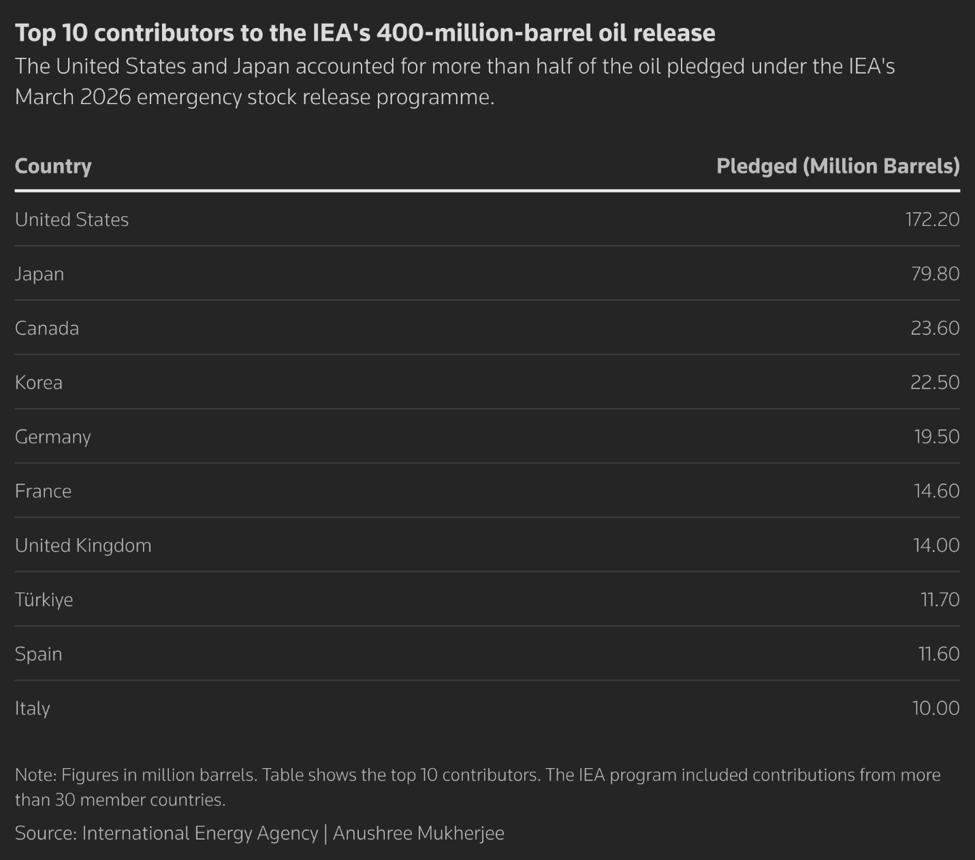
An additional 39 million barrels could still be released under the U.S. commitment to the International Energy Agency’s coordinated 400-million-barrel release, potentially reducing the SPR to roughly 243 million barrels. While the Department of Energy identifies 70 million barrels as the reserve’s physical minimum operating level, operating the system at much lower inventory levels can reduce its ability to quickly deliver crude during an emergency.
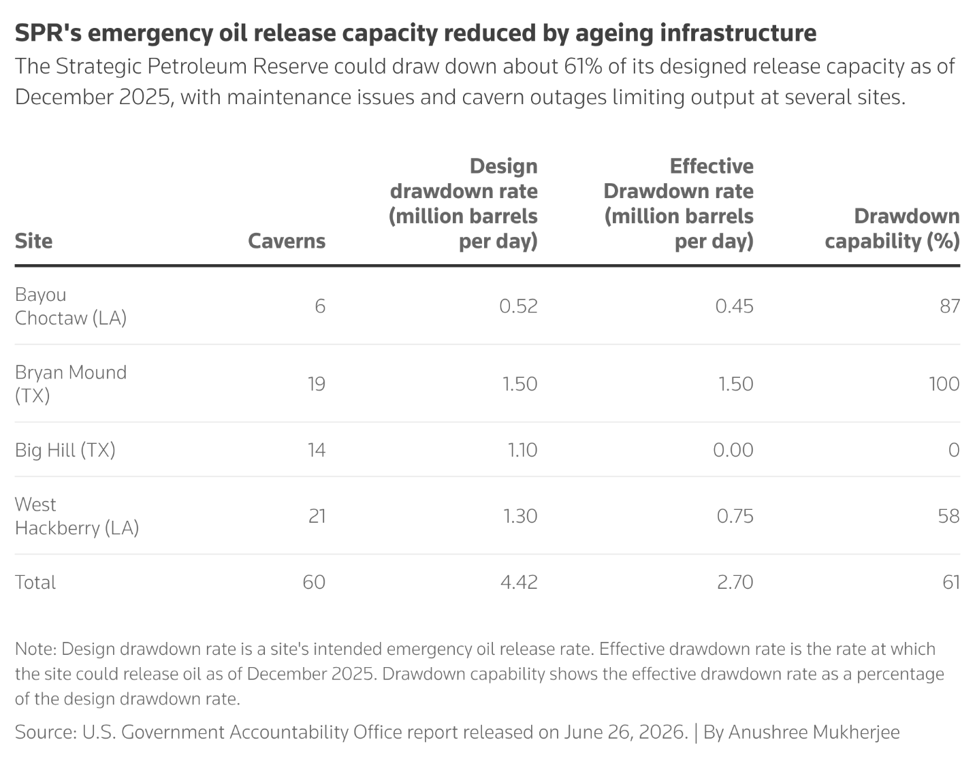
The SPR’s condition matters because another prolonged disruption could leave policymakers with fewer options to add barrels to the market. Aging infrastructure and ongoing construction have also limited the reserve’s drawdown and refill capabilities.
President Trump said Sunday that Venezuelan crude secured under a developing agreement between Washington and Caracas could eventually be used to replenish the SPR. The proposed arrangement could give the U.S. access to Venezuelan reserves and support investment in the country’s oil industry, but rebuilding production and refilling the SPR would take time.
Trump to Meet With Refiners as Fuel Prices Remain Elevated
President Trump is expected to meet with refinery operators and fuel distributors on Tuesday to discuss gasoline prices and potential steps to expand U.S. refining capacity. Executives from Chevron, Marathon Petroleum, Valero Energy, PBF Energy and Delek US Holdings are among those invited.
The meeting comes as U.S. refiners are already operating at high utilization rates. EIA data showed refinery utilization reached 97.4% during the week ending August 21, the highest level in eight years. That leaves limited room to increase fuel production using existing facilities.
Global refining constraints are also keeping gasoline and diesel markets tight. Refinery outages in the Middle East and Russia, Russia’s restrictions on product exports and reduced Chinese fuel exports have tightened international refined product availability. Goldman Sachs Research increased its forecast for U.S. and European diesel margins versus Brent in 2027 to $63/bbl and $49/bbl, respectively, compared with previous forecasts of $27/bbl and $19/bbl.
Those conditions are particularly important for U.S. buyers because domestic gasoline and diesel prices remain connected to international product markets. Even with high U.S. refinery utilization and ample domestic crude production, refiners can export products when international markets offer stronger economics.
Buyers Face Renewed Supply Risk Heading Into September
The market begins September with geopolitical developments again outweighing some of the bearish factors that drove crude lower last week. Negotiations over the Strait of Hormuz remain stalled, vessel traffic through the waterway is constrained, and the latest exchange of strikes has increased the risk of further disruptions.
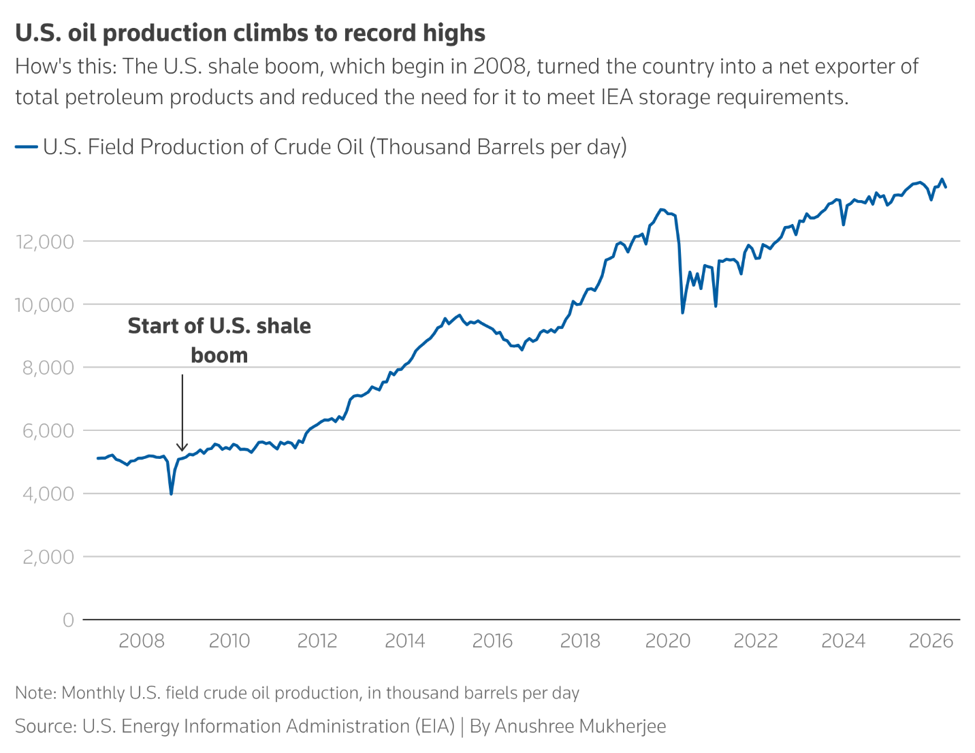
At the same time, U.S. crude production remains high and additional Venezuelan supply could improve the longer-term supply outlook. Those factors could contribute to lower prices if tensions ease and shipping conditions improve. In the near term, however, developments in the Strait of Hormuz remain the primary driver for crude and refined product prices, leaving buyers exposed to continued volatility as the U.S.-Iran conflict enters its seventh month.

This article is part of Daily Market News & Insights
Tagged: Brent Crude Oil, crude oil markets, crude oil supply, diesel prices, energy market news, fuel market outlook, fuel prices, gasoline prices, global oil supply, Iran oil conflict, Middle East oil, oil market update, oil prices, refined product markets, Refinery Utilization, refining capacity, SPR inventories, Strait of Hormuz, strategic petroleum reserve, U.S.-Iran conflict, WTI Crude Oil


MARKET CONDITION REPORT - DISCLAIMER
The information contained herein is derived from sources believed to be reliable; however, this information is not guaranteed as to its accuracy or completeness. Furthermore, no responsibility is assumed for use of this material and no express or implied warranties or guarantees are made. This material and any view or comment expressed herein are provided for informational purposes only and should not be construed in any way as an inducement or recommendation to buy or sell products, commodity futures or options contracts.