
Why Fuel Planning Matters More This Hurricane Season
The 2026 Atlantic hurricane season begins at a time when fuel costs are already putting pressure on operating budgets. For businesses that depend on diesel, gasoline, backup generators, or on-site storage, hurricane preparation is not only about supply availability. It is also about planning higher replacement costs, longer delivery timelines, and the risk of regional disruptions when storms approach the coast.
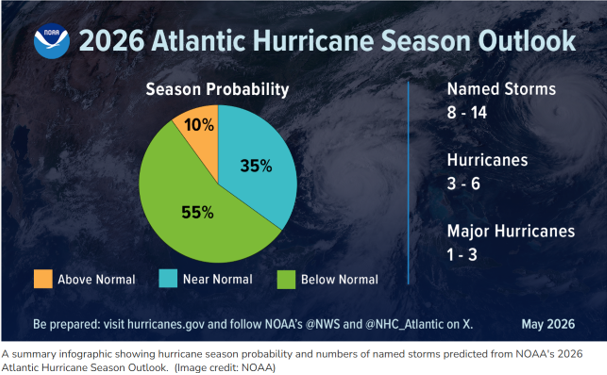
The National Oceanic and Atmospheric Administration is forecasting a below-normal Atlantic hurricane season, with 8 to 14 named storms, 3 to 6 hurricanes, and 1 to 3 major hurricanes expected. The season officially runs from June 1 through November 30. A quieter forecast can be encouraging, but it does not remove the need for preparation. One storm in the wrong place can still disrupt terminals, roads, ports, power infrastructure, and local fuel demand.
Fuel Costs Add Pressure to Storm Planning
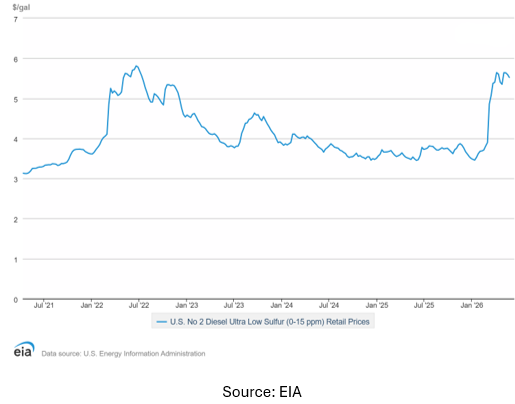
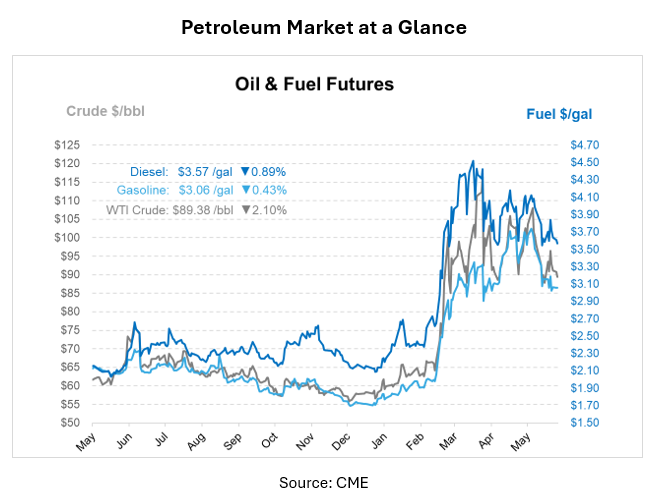
Fuel buyers are also entering the Atlantic Hurricane season with already elevated costs. EIA data showed the U.S. average retail diesel price at $5.523 per gallon for the week of May 25, 2026, a modest decline from the prior week but still more than $2.00 per gallon higher than the same time last year.
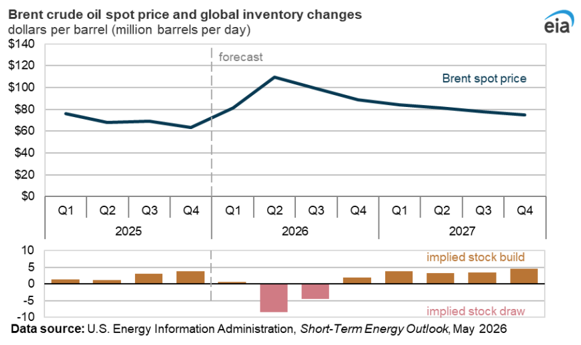
The agency’s May Short-Term Energy Outlook also pointed to tighter oil market conditions, with global oil inventories expected to fall during the second quarter and Brent crude prices averaging around $106 per barrel in May. For fleets, distributors, municipalities, and other fuel-dependent businesses, that means storm-related fuel planning may cost more this year, especially as demand rises ahead of a major weather event.
When a hurricane threatens a region, fuel demand can rise quickly. Fleets may need to top off vehicles, generators may require additional fuel, and businesses may look for emergency deliveries before roads, terminals, or power systems are affected. With fuel costs already elevated, this surge in demand can make storm preparation more expensive for fuel-dependent operations.
At the same time, suppliers may face the same storm-related challenges, including driver availability, terminal delays, road closures, and increased demand from multiple customers. That combination can make early planning especially important during an active hurricane season.
Planning Ahead Matters
Companies with emergency response programs can review storage levels, generator requirements, delivery locations, and priority assets before a storm is active. This gives teams more time to make decisions before fuel demand tightens and before weather conditions limit safe deliveries. It also helps avoid last-minute purchasing when prices are already elevated.
Businesses should also evaluate the condition of their fuel storage tanks and backup power systems. Emergency fuel is only useful if the equipment is ready to operate. This includes checking tank levels, confirming access points, reviewing generator runtime requirements, inspecting fuel quality, and ensuring site contacts and delivery instructions are up to date.
For fleet owners and operators, emergency planning can also support route continuity and customer service. A storm can affect more than the area directly in its path. Fuel demand, freight movement, and supply logistics can shift across nearby markets as companies reposition equipment, support recovery work, or respond to power outages. Having a clear plan in place can help reduce downtime and keep essential operations moving.
The outlook for the season may change as weather patterns develop. NOAA’s forecast provides an early view, but businesses should continue monitoring storm updates, fuel pricing, and local supply conditions throughout the summer and fall. Preparation before a storm forms is often the difference between reacting under pressure and managing through disruption with a clear plan.
Not sure how to implement your Emergency Plan? Talk to the experts!
Mansfield Energy, North America’s leading fuel distributor, brings a wealth of expertise to the table in creating a robust emergency response program tailored to your company’s needs. With an extensive network serving the US and Canada, Mansfield understands the critical importance of proactive measures to address potential disruptions from hurricanes and other natural disasters.
Leveraging in-depth knowledge, Mansfield has developed a comprehensive Emergency Response Fuel Program that prescribes industry best practices. Mansfield’s program enables a multi-faceted approach, prioritizing essential services and collaborating closely with partners to ensure seamless fuel distribution during emergencies. Contact us today!
This article is part of Emergency Response Program
Tagged: backup generator fuel, Business Continuity Planning, diesel fuel costs, disaster fuel logistics, emergency fuel delivery services, Emergency Fuel Supply, emergency response fuel, fleet fuel management, fuel storage preparedness, Fuel Supply Chain Resilience, generator fuel management, hurricane fuel planning, hurricane preparedness fuel, hurricane season preparation, storm preparedness planning


MARKET CONDITION REPORT - DISCLAIMER
The information contained herein is derived from sources believed to be reliable; however, this information is not guaranteed as to its accuracy or completeness. Furthermore, no responsibility is assumed for use of this material and no express or implied warranties or guarantees are made. This material and any view or comment expressed herein are provided for informational purposes only and should not be construed in any way as an inducement or recommendation to buy or sell products, commodity futures or options contracts.