
What’s That: Floating Storage
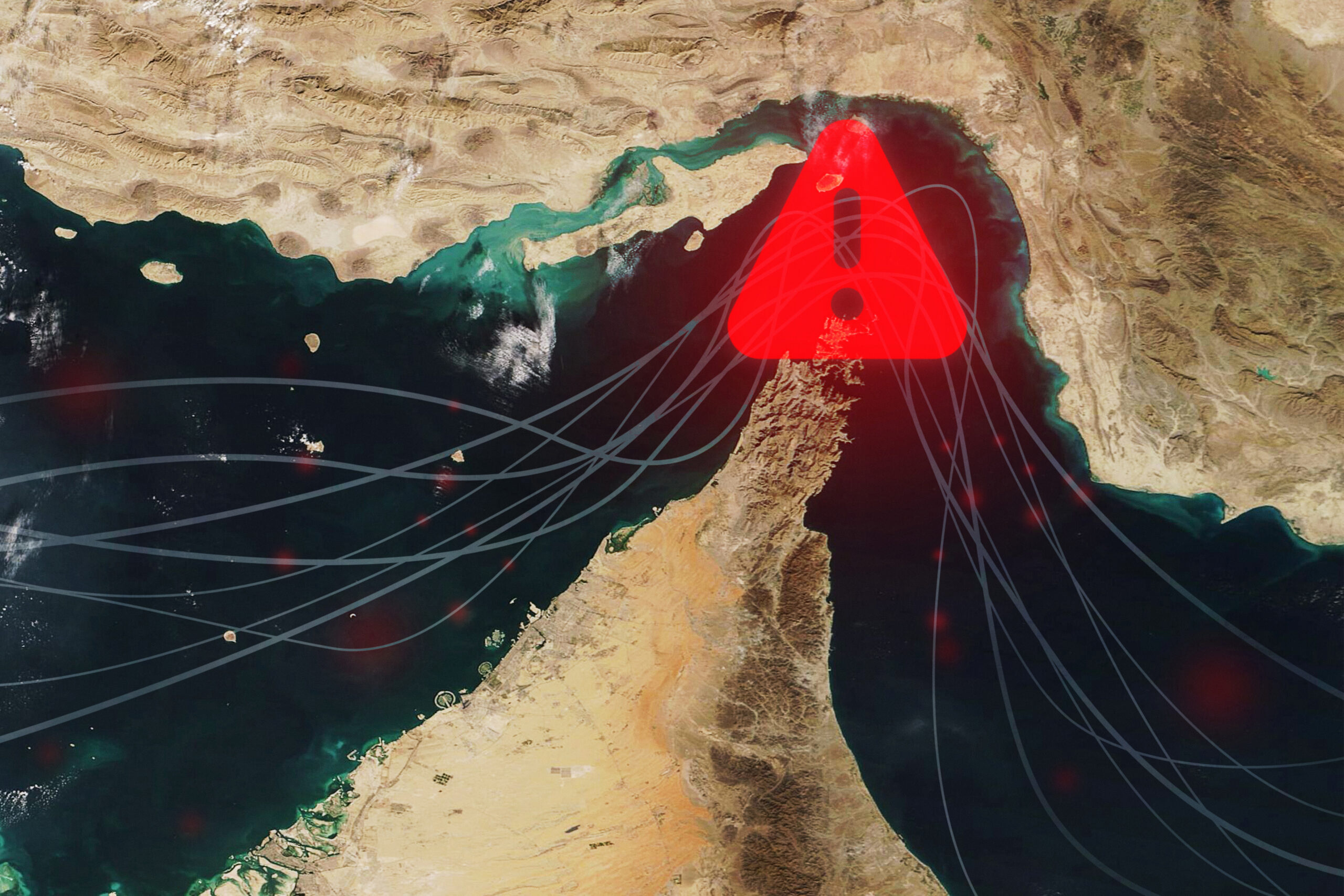
What happens when the world keeps producing oil, but tankers can no longer deliver it? As disruptions in the Middle East continue to reshape global energy trade flows, floating storage is increasingly signaling stress in oil markets. Under normal conditions, oil flows through a seamless chain of operations in which it is pumped, shipped, and refined. But when key transit routes tighten or shut down, especially around critical chokepoints like the Strait of Hormuz, this system breaks down.
At its core, floating storage is exactly what it sounds like. Crude and refined products being stored on vessels at sea rather than delivered onshore. When routes are constrained and ports can’t receive cargo, ships are forced to hold barrels offshore, shifting from transport to temporary storage. That shift is already underway, turning parts of the global tanker fleet into a backlog of stranded supply, and signaling that disruptions are no longer just a risk, but an active constraint on the market.
This situation develops when exports are blocked, trade routes are disrupted, or receiving terminals are unavailable. Instead of stopping production immediately, the market relies on available vessels to absorb excess supply.
Types of Floating Storage Systems
Floating storage can take several forms, such as an FSO or FPSO.
A Floating Storage and Offloading unit, or FSO, is a vessel used specifically for storage and transfer. It is almost always a converted oil tanker that stores hydrocarbons received from offshore facilities and offloads them to shuttle tankers, but it does not process oil. These units can be deployed relatively quickly, often within months, and are used in areas where permanent infrastructure is limited or not available. They operate across a wide range of water depths and are configured to match local conditions.
A Floating Production Storage and Offloading unit, or FPSO, serves a broader role. It performs the same storage and offloading functions as an FSO but also processes hydrocarbons onboard. An FPSO receives production from subsea wells, separates oil, gas, and water, stores the stabilized crude, and offloads it to tankers. As of early 2026, more than 180 FPSOs are operational worldwide, with additional units under construction or available for redeployment.
Why Floating Storage Is Used
Floating storage provides a solution when onshore infrastructure cannot meet immediate demand. Building new onshore storage requires time, land, permits, and coordination. In contrast, floating units can be deployed quickly and moved as needed.
This speed and mobility make floating storage essential during sudden market disruptions. When supply increases or exports are interrupted, these vessels provide immediate capacity. They allow producers to continue operating without forcing immediate shutdowns.
Floating storage also adjusts with shifting trade patterns. When routes change or certain regions become inaccessible, vessels can reposition to areas where storage is needed. Fixed infrastructure does not offer this flexibility.
Application to the Current Iran Conflict
The current Iran conflict highlights how floating storage expands under pressure. Restrictions through the Strait of Hormuz have limited the ability to export crude from the region. At the same time, production has not stopped at the same pace.
As a result, crude continues to be loaded onto tankers, but these vessels are often unable to discharge. The excess supply is being held offshore, leading to a rise in floating storage volumes.
Combined floating stockpiles have increased from less than 25 million barrels to around 30 million barrels by the end of April. This increase is largely driven by vessels in the Middle East that are unable to move cargo through normal trade routes. Diesel is the most prevalent product in floating storage reserves, exceeding 15.5 million barrels stored at sea.
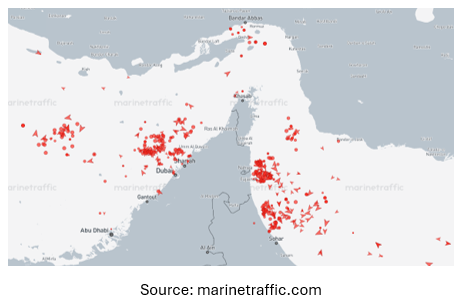
The Middle East has seen a concentrated increase in floating storage due to ongoing disruptions. The challenge is not a lack of supply, but a lack of access to move that supply. Floating storage is absorbing excess volumes while the system remains constrained.
Why It Matters
Floating storage serves as both a buffer and an indicator. It allows markets to continue functioning during disruptions, but it also signals stress within the system.
In the current environment, the buildup of offshore inventories highlights the impact of restricted trade routes and limited export capacity. Tankers holding cargo at sea represent a supply that is available but not accessible.
As conditions shift, these stored barrels can re-enter the market. Until then, floating storage remains a key mechanism for managing imbalance in the global oil system.
This article is part of Daily Market News & Insights


MARKET CONDITION REPORT - DISCLAIMER
The information contained herein is derived from sources believed to be reliable; however, this information is not guaranteed as to its accuracy or completeness. Furthermore, no responsibility is assumed for use of this material and no express or implied warranties or guarantees are made. This material and any view or comment expressed herein are provided for informational purposes only and should not be construed in any way as an inducement or recommendation to buy or sell products, commodity futures or options contracts.