Storm Alert – Hurricane Isaias
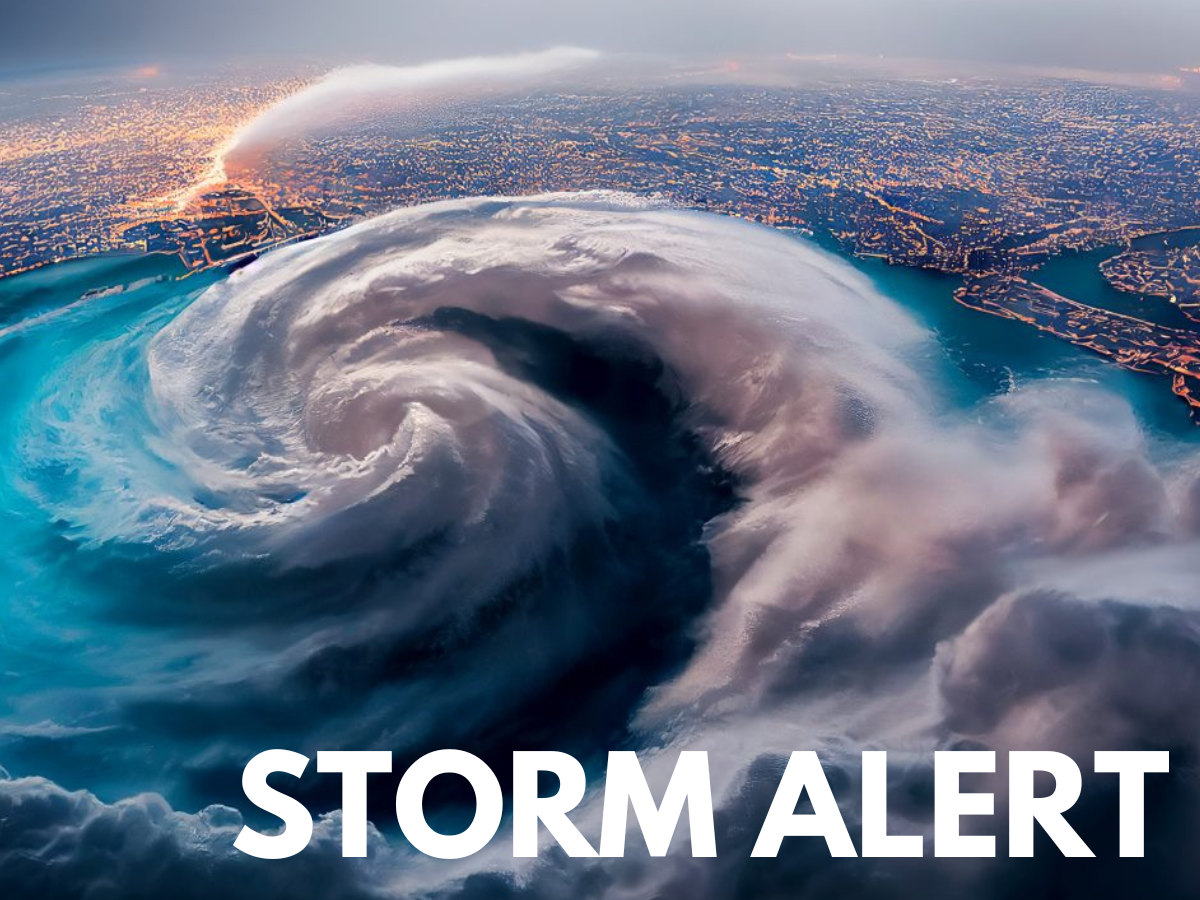
Hurricane Isaias made landfall near Destin, Florida, Friday evening as a Category 2 storm, bringing damaging winds, significant storm surge, and widespread power outages to the northern Gulf Coast. Wind gusts reached 116 mph in Santa Rosa Sound, while Pensacola recorded gusts of 102 mph. Storm surge pushed water levels more than 5.6 feet above normally dry ground in Panama City, and over 850,000 customers have been left without power.
Although Isaias has weakened into a post-tropical system, its impacts continue across the Southeast. Heavy rainfall, flash flooding, strong winds, and potential tornadoes remain concerns throughout the weekend.
The greatest flooding risk is concentrated along the Appalachian foothills, from northern and eastern Georgia through upstate South Carolina, western North Carolina, and western Virginia. Additional heavy rainfall could bring flash flooding to the coastal Carolinas, southern Georgia, northern Florida, and portions of the Tennessee and Ohio Valleys. By Sunday, impacts could extend into the mid-Atlantic, including Washington, D.C., Philadelphia, and New York City.
Strong winds also remain a concern, with gusts potentially reaching 60 to 70 mph in the Smoky Mountains. Saturated ground could make trees more vulnerable to falling, increasing the risk of additional power outages and blocked roads. Severe thunderstorms and tornadoes are also possible across Georgia, the eastern Florida Panhandle, and the Carolinas.

Potential Impacts
Heavy rainfall, flooding, downed trees, and power outages may lead to site closures, obstructed roads, and fuel delivery delays. Carrier availability could also become limited as drivers navigate unsafe conditions.
Customers in affected areas should continue following their storm response protocols, including properly securing tank lids, fill caps, and access points to help prevent water intrusion.
Once conditions are safe, we recommend the following precautions:
- Check for water contamination. Use water-finding paste to test tanks before dispensing fuel into equipment. If water levels exceed one inch, do not order or dispense fuel until the issue is resolved.
- Inspect fuel storage equipment. Check tanks, lids, fill caps, and access points for damage or signs of water intrusion.
Mansfield continues to monitor the storm’s inland impacts and coordinate fuel supply and delivery operations across affected regions. Our teams are working to support customer needs, assess potential disruptions, and maintain reliable fuel service as recovery efforts begin.
For urgent fuel supply or delivery concerns, please contact your Mansfield representative directly by phone to ensure a timely response.
We will continue providing updates as conditions evolve and recovery efforts progress.


This article is part of Alerts


MARKET CONDITION REPORT - DISCLAIMER
The information contained herein is derived from sources believed to be reliable; however, this information is not guaranteed as to its accuracy or completeness. Furthermore, no responsibility is assumed for use of this material and no express or implied warranties or guarantees are made. This material and any view or comment expressed herein are provided for informational purposes only and should not be construed in any way as an inducement or recommendation to buy or sell products, commodity futures or options contracts.