Bulk or Tote? Choosing the Right DEF Supply for Your Fleet
When it comes to keeping diesel engines running clean and compliant, Diesel Exhaust Fluid (DEF) is non-negotiable. But how do you get that DEF into your equipment or fleet vehicles? That’s where things can get a bit more strategic.
Some businesses rely on packaged jugs or drums. Others invest in on-site bulk tanks. And for many over-the-road fleets, filling up at a DEF pump while fueling diesel is just part of the routine, but costly. Each method has its advantages, but which one makes the most sense for your operation?
The answer depends on how much DEF you use, how often you need it, and how much space and infrastructure you have on site. In today’s article, we’ll discuss the benefits of bulk deliveries versus packaged DEF and fueling station dispensers so you can find the right fit for your team and your bottom line.
Bulk DEF: Great for High-Volume Users
Bulk DEF is exactly what it sounds like – large quantities delivered directly to your site. If your fleet uses around 300 to 600 gallons of DEF weekly, this is probably your most efficient route.
You’ll get the DEF delivered by tanker truck into on-site storage tanks, which can range anywhere from a few hundred gallons to over 4,000 gallons. It’s convenient, cost-effective over time, and reduces the hassle of running out. Some suppliers even offer remote inventory monitoring, so they’ll know when to send more before you’re running low. With the right size bulk tank, businesses can drive down DEF cost by 25% to 50%.
However, bulk DEF isn’t for everyone. You’ll need space for a storage tank, plus the upfront investment to install dispensing equipment. And if you don’t go through a lot of DEF, you might end up with the product sitting too long, risking contamination or spoilage. You can learn more about DEF Storage and Equipment here.
Packaged DEF: Easy and Flexible
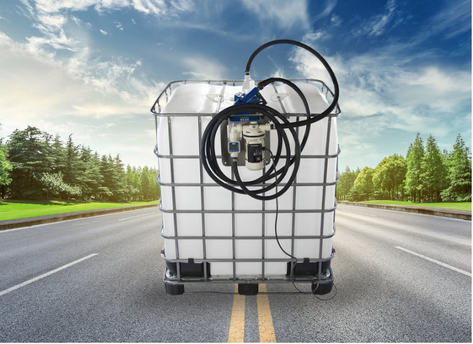
If your DEF needs are on the lighter side, packaged options – ranging from 2.5-gallon jugs to 330-gallon totes – might make more sense. They’re easy to store, simple to use, and don’t require any special equipment.
Using a tote system allows you to take advantage of bulk pricing without needing the space or volume for a full tank. And with Mansfield, that benefit goes even further. Unlike most providers who only refill totes in limited regions or only deliver in full truckloads, Mansfield can refill totes nationwide. That means you get a consistent supply, better economics, and full coverage wherever your operations are.
Mansfield also offers equipment solutions to help keep totes warm in colder climates, ensuring your product stays in good condition and your vehicles stay compliant year-round. So, if you’re not quite ready for a full bulk setup, totes with Mansfield give you a flexible, cost-effective solution without sacrificing reliability.
To further streamline operations, totes can be equipped with remote monitoring systems such as the Anova radar level sensor (UTM +RLS). This technology allows for proactive inventory management, enabling customers to set the tote and forget it, minimizing the risk of downtime due to empty tanks.
Packaged DEF offers a flexibility that is great for smaller fleets or businesses that only use it occasionally. The trade-off? It usually costs more per gallon, and handling it manually takes time. There’s also the extra packaging to dispose of, which adds up over time.
If you are using drums or totes, you will need manual or electric pumps to dispense the DEF, but don’t worry, the upfront investment won’t hurt your bottom line. You can check out some equipment options in the Mansfield equipment catalog.
At the Pump: Convenient for Drivers on the Road
For vehicles that spend most of their time out on the highway, fueling stations with DEF dispensers are a convenient solution, but costly. Drivers can top off their DEF tanks while fueling with diesel: quick, simple, and no need to store DEF on-site.
This is a good option for long-haul routes or when your trucks rarely return to base. Just keep in mind that pricing at the pump can vary and may not be as competitive as what you’d pay in bulk. And if most of your fleet refuels at your own yard, relying on retail stations could slow things down and impact the bottom line.
A Few Things to Keep in Mind
Whichever option you choose, storage and handling matter. DEF needs to be kept out of extreme heat or cold, and it should never be mixed or handled with anything that’s been in contact with fuel or oil. Contamination can cause major issues with your vehicle’s emissions system. And don’t forget; running out of DEF can lead to reduced engine performance or even engine shutdowns. In this case, planning ahead is key. It is very important to that your DEF storage and dispensing equipment are designed for DEF and contain only DEF compatible materials.
So, What’s the Right Fit?
If you’re running a high-volume fleet and want to lower your per-gallon cost by 25% to 50%, bulk delivery is likely the way to go. If your needs are more modest or you’re just getting started, packaged DEF offers the flexibility you need without a big investment. And for drivers on the go, fueling station dispensers keep things moving without the need for on-site storage.
The right solution depends on your operation size, storage capacity, and how your fleet runs day to day. Think of DEF not just as a regulatory requirement but as part of your fuel strategy.
If you need help choosing the best method for your business, Mansfield is here to help! Our team of specialists will study your site-specific needs, demand history, and storage methods to provide a customized DEF demand forecast, logistics solution, and optimized storage recommendations. Contact us today!
This article is part of Daily Market News & Insights


MARKET CONDITION REPORT - DISCLAIMER
The information contained herein is derived from sources believed to be reliable; however, this information is not guaranteed as to its accuracy or completeness. Furthermore, no responsibility is assumed for use of this material and no express or implied warranties or guarantees are made. This material and any view or comment expressed herein are provided for informational purposes only and should not be construed in any way as an inducement or recommendation to buy or sell products, commodity futures or options contracts.